Rooted in rural Kenya · Connected to East Africa and global markets

Tourism rooted in place

Tourism

A responsible encounter with fashion, regenerative land, Sagalla Hill, living heritage and the wider Tsavo journey—designed with communities and governed for local benefit.

Privacy-safe community-hosted visitor experience at Labl’s Sagalla facility

The concept

Come for the landscape. Leave understanding the system.

Labl Group’s six-acre rural site lies at the foot of Sagalla Hill in Voi, Taita Taveta County. The Business Plan positions the facility as a community production platform; the Strategic Plan adds a wider ambition to let customers meet makers and build connections that go beyond a transaction. Tourism turns that ambition into a carefully managed public experience.

The offer is not a conventional factory tour and it is not staged access to private life. It connects a working fashion facility, Labl Farms demonstrations, community enterprise, local culture and the Tsavo landscape through small groups, trained hosts, consent, fair payment and clear limits.

Experience architecture

Eight ways to understand place and production.

Modules are combined according to visitor purpose, season, production schedules, host availability, route safety, accessibility and confirmed permissions.

01

Meet the value chain

Follow the story from regenerative cotton and responsible materials to design, sampling, cutting, sewing, quality, traceability and circular return. Production access remains subject to safety, schedules and customer confidentiality.

02

Hike Sagalla Hill

Walk a locally guided route chosen for the group’s fitness, weather and current access conditions. The experience interprets the hill landscape, farms, water, indigenous biodiversity, settlement and human–wildlife coexistence.

03

Learn living heritage

Where custodians and opening arrangements permit, visit the Rev. Wray Memorial Museum at Teri, housed in the former St Mark’s Church, and encounter Sagalla religious, linguistic and material history through local interpretation.

04

Visit farms and demonstrations

Meet participating farmers and see soil cover, crop diversity, composting, water stewardship, agroforestry and regenerative trials. Visits distinguish a demonstration from a verified outcome and respect farm biosecurity.

05

Share food and knowledge

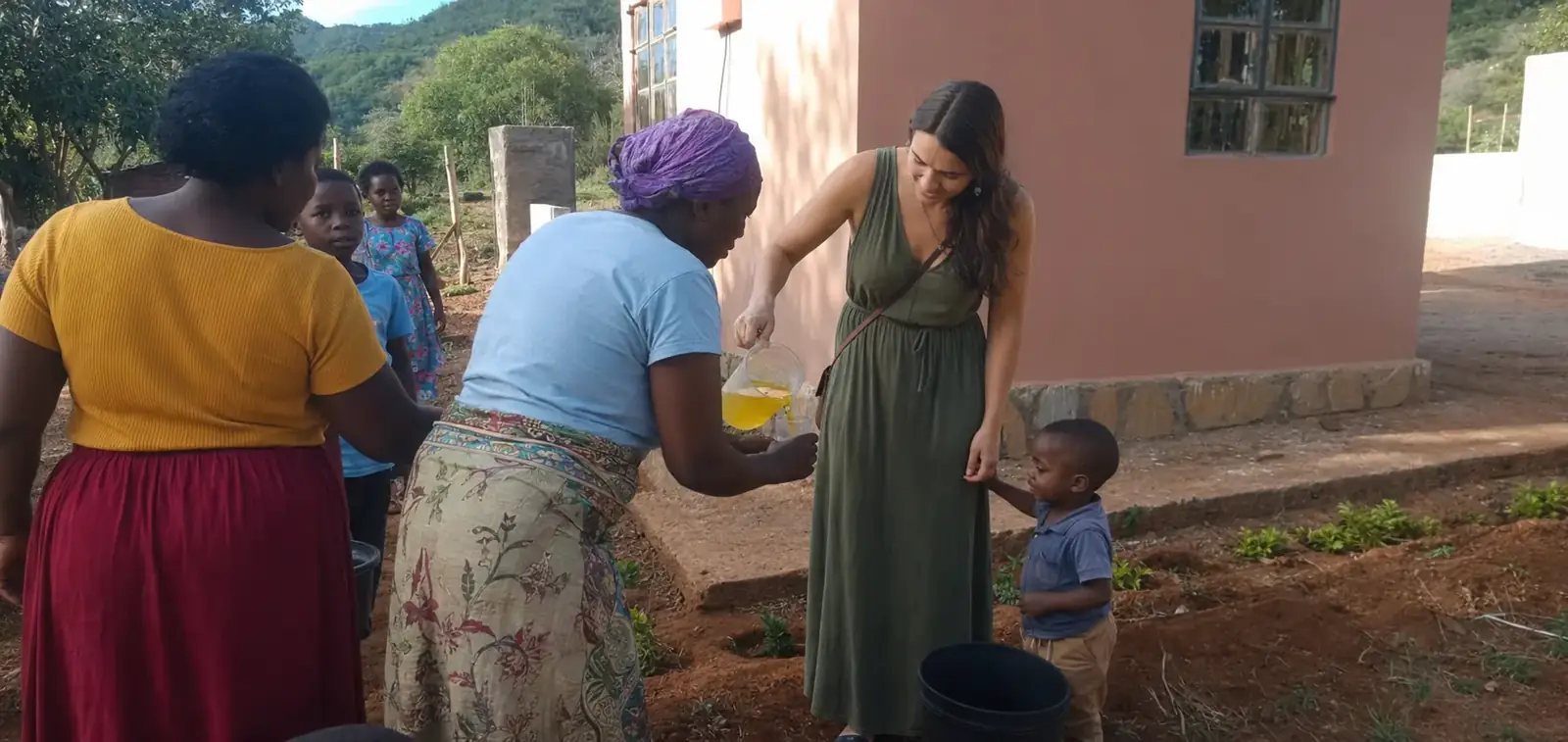
Meals can feature locally sourced ingredients and stories about food, farming and changing livelihoods. Community hosts decide what they wish to share and are paid under agreed rates.

06

Support local enterprise

Connect with participating artisans, guides, growers, cooks, transport providers, self-help groups, youth ventures and women-led enterprises without turning private community life into a spectacle.

07

Stay and learn

The property has a house capable of hosting up to ten guests. Accommodation, meals and residential learning will open only after hospitality licensing, food safety, fire safety, insurance and operating-capacity gates are met.

08

Connect to Tsavo

Combine the Sagalla programme with independently booked visits to parks, sanctuaries and conservancies in the greater Tsavo ecosystem. Each destination retains its own rules, fees, guides and permissions.
Sagalla Hill hiking

A guided landscape journey, not an unsupported climb.

Routes will be developed with local guides and landholders. Published descriptions will state distance, elevation, expected duration, terrain, fitness level, age guidance, water requirements, weather limits and emergency arrangements.

Before the walk

Route and access confirmation, health and mobility questions, weather check, guide allocation, group-size limit, water and footwear briefing, consent and emergency contact.

On the hill

Locally led interpretation of farms, forest patches, water, viewpoints, plants, settlement, Sagalla knowledge and coexistence. Visitors stay on agreed paths and follow photography rules.

After the walk

Rest, hydration, a local meal or facility module, guide-payment confirmation, visitor feedback and recording of hazards or route improvements.

Operational boundary: hiking is offered only when the route, weather, local access, guide capacity and emergency arrangements are confirmed. Wildlife encounters are never guaranteed.

The wider Tsavo landscape

Parks, sanctuaries, conservancies and ranches.

Sagalla sits within the greater Tsavo ecosystem. Kenya Wildlife Service manages Tsavo East and Tsavo West National Parks. Taita Taveta’s wider conservation network includes community and private areas such as LUMO Community Wildlife Sanctuary, Rukinga, Taita Hills Wildlife Sanctuary, Ngutuni and Ndara, together with ranches represented through the Taita Taveta Wildlife Conservancies Association, including Sagalla Ranch.

These destinations are not part of Labl’s property and are not represented as Labl products. Any extension requires an appropriate licensed operator, the destination’s current permission and fees, and separate confirmation of transport, insurance and park or conservancy conditions.

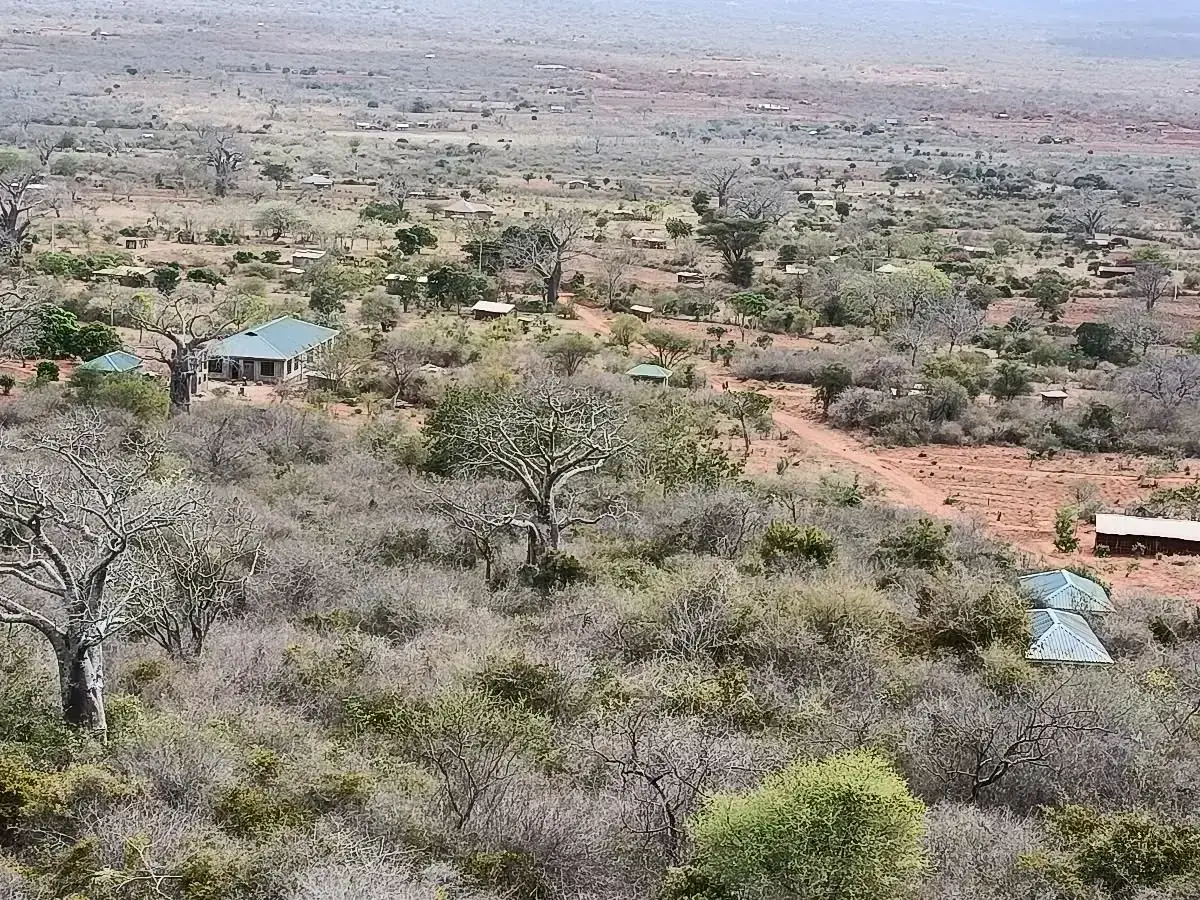
The wider rural landscape viewed from Sagalla Hill
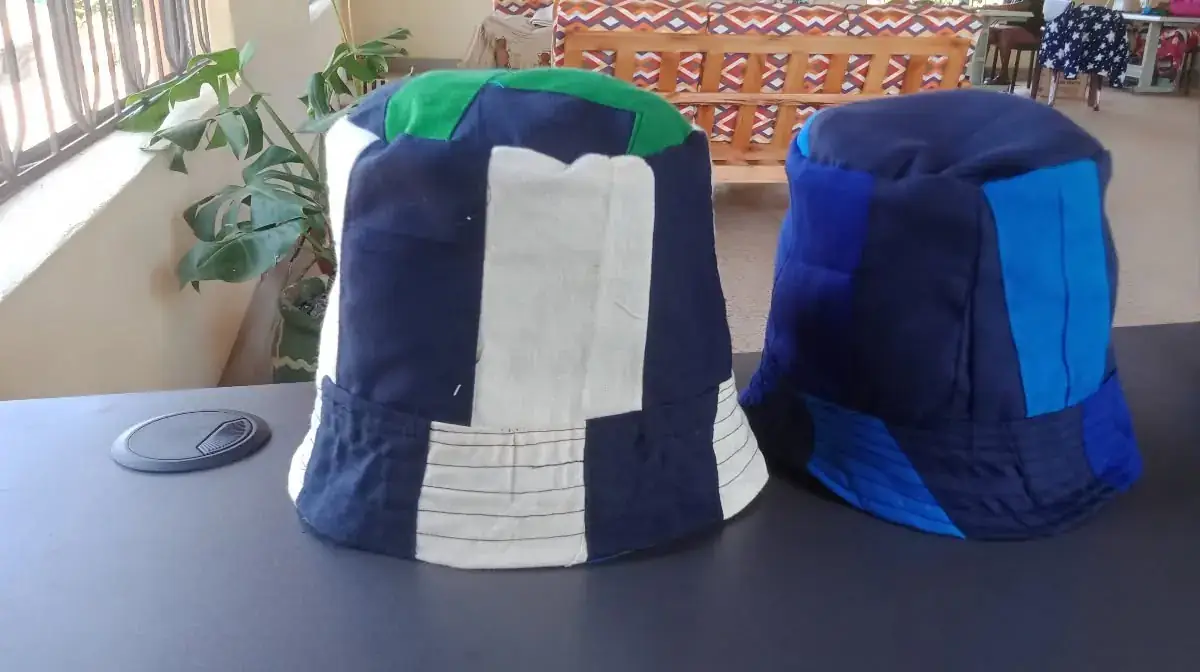
Upcycled textile hats representing potential community enterprise and circular craft

Local economic pathways

Visitor spending should circulate locally.

The tourism model creates potential income through guiding, meals, farm demonstrations, accommodation, transport, crafts, repair and upcycling, cultural interpretation, event support and responsible product sales. Self-help groups and local enterprises can aggregate services, build quality standards and negotiate transparently.

Labl will track who participates, what visitors purchase, what proportion is retained locally, payment timeliness, women and youth participation, complaints and host satisfaction. Growth is conditional on evidence that the experience creates net community benefit.

Illustrative visit

A flexible full-day learning journey.

This is a planning model, not a published booking. Final timing depends on route, production and host confirmation.

08:00

Arrival and orientation

Welcome, safety, consent, programme and photography choices.

08:30

Sagalla Hill hike

Guided route with landscape, farming, culture and coexistence interpretation.

11:30

Local meal and dialogue

Hosted food experience and conversation with participating enterprises.

13:00

Farm-to-fashion visit

Demonstration farm, responsible materials, production, quality and traceability.

15:30

Circularity and market

Repair, return, reuse, repurposing, product display and feedback.

Community-benefit and visitor standard

Hospitality must protect dignity, place and trust.

The programme will be phased and reviewed with local stakeholders before visitor numbers or activities expand.

Free and informed participationAgreed host and guide ratesPhotography by specific permissionChild and vulnerable-person safeguardsNo unauthorised entry to homes or farmsLocal procurement and transparent attributionAccessible alternatives where practicalWaste, water and biosecurity controlsDocumented complaints and remedyRespect for sacred and sensitive knowledge

Phased development

Build readiness before promotion.

Tourism will not be marketed as fully available until commercial, community, safety and legal gates are passed.

01

Co-design

Map hosts, routes, heritage custodians, visitor needs, community concerns and benefit-sharing options.

02

Prepare

Complete licences, insurance, fire and food controls, route assessments, host training, pricing and standard procedures.

03

Pilot

Host invited brand, research and education groups; test timing, safety, interpretation, accessibility and payment flows.

04

Launch

Publish only confirmed modules, terms, capacities, exclusions and responsible booking information.

05

Improve

Review visitor learning, host income, community feedback, incidents, environmental pressure and complaints.

06

Connect

Develop responsible Coast–Voi–Tsavo itineraries with licensed tourism and conservation partners.

Governance and compliance

Clear responsibilities before the first public booking.

Relevant requirements depend on the service actually offered. Labl will obtain professional legal and licensing review before launch.

Tourism licensing

Confirm applicable Tourism Regulatory Authority classes for accommodation, food, excursions and any tour-operation role.

County and site controls

Confirm county business, public-health, food, fire, building, signage and environmental requirements.

Guiding and transport

Use competent guides and appropriately licensed and insured transport or tourism partners.

Data and media

Apply Kenya’s data-protection requirements, consent records and specific permission for identifiable photography.

Safety and insurance

Document risk assessments, emergency contacts, first aid, incident reporting, public liability and activity exclusions.

Heritage and conservation

Respect custodians, protected-area rules, community protocols and National Museums or other competent authority requirements where applicable.

Tourism white paper

The complete public framework.

Download the expanded paper covering strategic alignment, Sagalla Hill hiking, experience design, community economics, governance, safeguards, partnerships, implementation and measurement.

Download Tourism white paper

Plan a future visit or partnership

Tell us what you want to learn or help build.

Share your group, interests, dates, accessibility needs and wider itinerary—or propose training, research, conservation, heritage or community-enterprise collaboration.

Make an enquiry