Growing fashion brands
Technical development, responsible materials, smaller batches and evidence.
Market strategy
Labl combines flexible product development with disciplined qualification, landed economics, reliable delivery and credible evidence—building repeat business rather than chasing volume.
Customer portfolio
Customer fit is assessed by product complexity, batch size, quality, schedule, payment, claims, destination rules and contribution margin.
Technical development, responsible materials, smaller batches and evidence.
Repeatable specifications, delivery discipline and quality records.
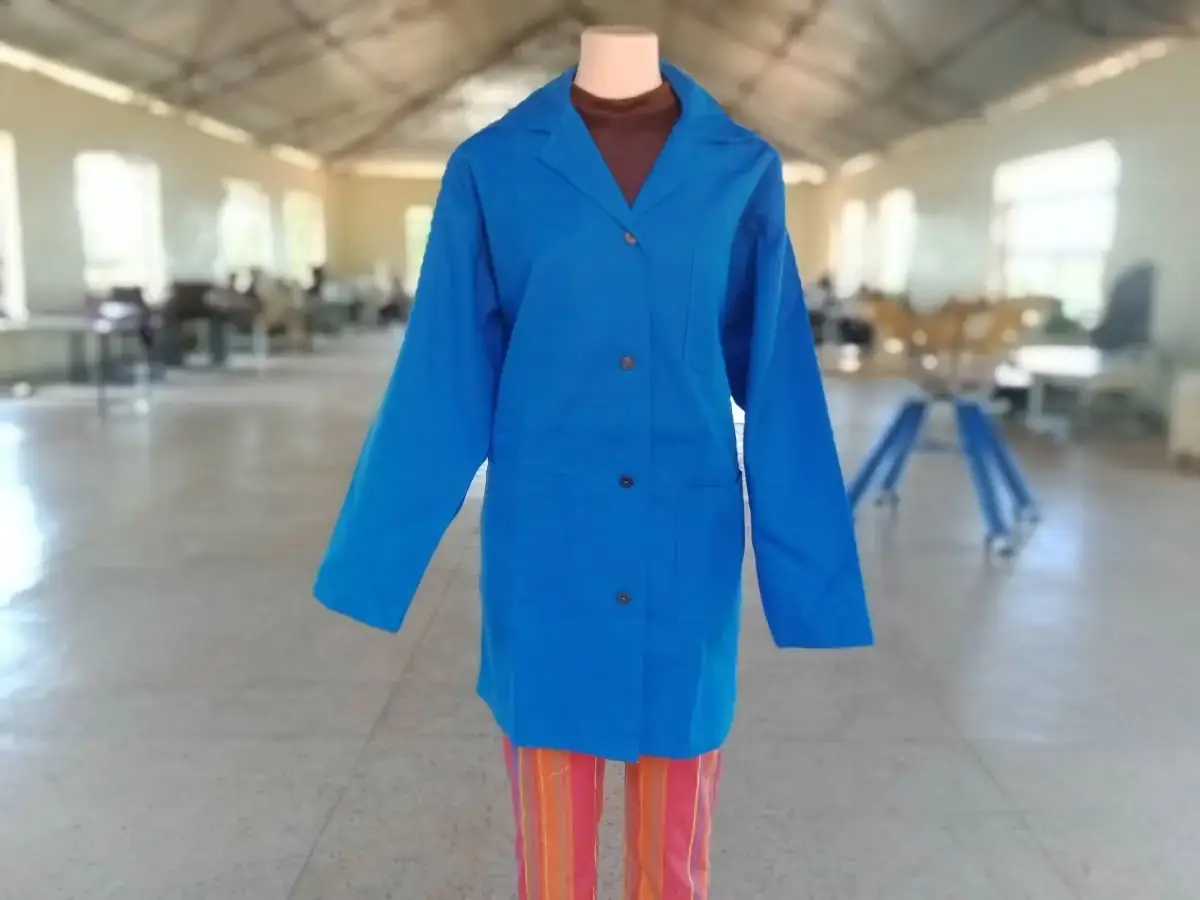
Uniforms, workwear and programme products with controlled cost and safety.
Sampling, technical support, production access and collaborative collections.
From enquiry to recurring account
Every stage has a decision: proceed, improve or stop. Development is paid or recovered, and trial orders must show viable landed economics.
Go-to-market channels
Westlands supports samples, buyer meetings, governance and partnerships. Voi remains the operating proof point.
Brands, retailers, corporates, institutions and schools; measured by qualified pipeline, conversion, average order, margin and repeats.
The website and Labl digital system support discovery, sample requests, product evidence and selected consumer pathways.
LinkedIn, Instagram, Facebook, X and email share verified producer, product and place stories that lead to enquiries.
Labl Fashion Group B.V., partners, agents, showrooms, industry events and collaborations support market intelligence and buyer access.
Evidence-led buyer development from Nairobi, Mombasa, Voi, Nyeri, Nakuru and Kisumu as capability grows.
Market sequence
Trade preferences can improve access; they do not replace product fit, importer qualification, customs evidence, safe products, service or competitive landed cost.
Stabilise quality and on-time delivery; build Kenya and EU pipeline; prepare origin, product and importer files.
Scale profitable accounts and qualify EU–Kenya EPA and applicable US/AGOA buyer pathways.
Deepen repeat EU orders and run conditional US trials where rules, economics and importer readiness are confirmed.
Maintain a resilient Kenya, East Africa, EU and US portfolio with buyer and currency concentration limits.
Use the EU–Kenya Economic Partnership Agreement route only where current origin, product, labelling, safety, restricted-substance, claims and importer requirements are satisfied.
Enter gradually under the successive AGOA framework and other US rules actually in force at shipment, with confirmed eligibility, origin, customs, labelling and buyer compliance.