Screen
Assess agro-ecology, land use, water, livelihoods, safeguards and market fit.
Labl Farms LTD
All agricultural collaboration, farmer engagement and organic or regenerative farming research is led through Labl Farms LTD, the specialist farming arm of Labl Group.
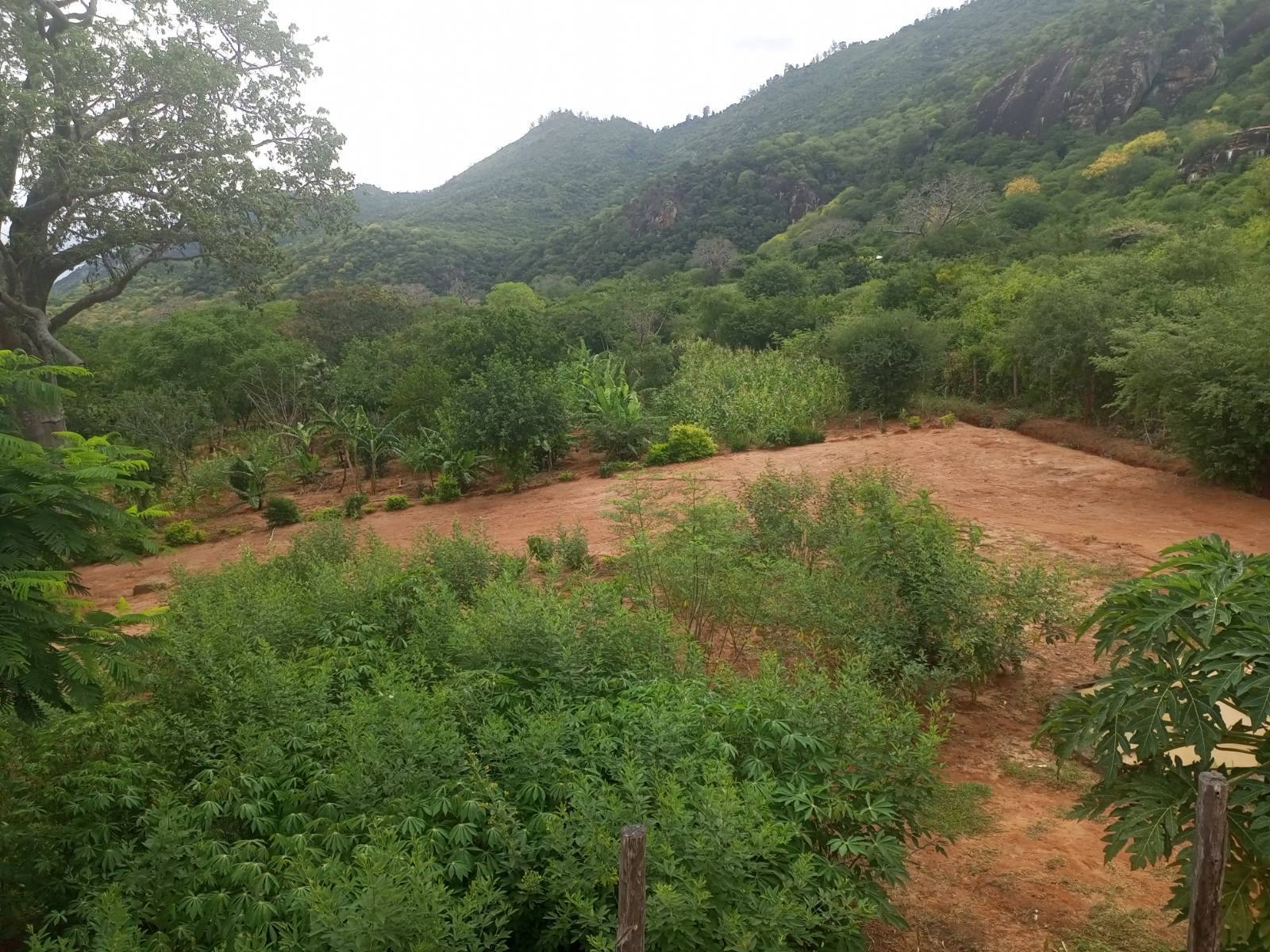
Our definition
Regenerative cotton is a continuous-improvement system designed around the health of the whole farm. It uses baseline evidence, farmer knowledge and locally adapted practices to improve soil function, biodiversity, water stewardship, climate resilience and household well-being.
Field model
Each season connects practical support to evidence. No “organic,” “regenerative,” carbon or impact claim is made without a defined scope, records and any required independent assurance.
Assess agro-ecology, land use, water, livelihoods, safeguards and market fit.
Agree voluntary participation, plot and season plans, consent and grievance access.
Use demonstrations, extension, weather guidance and farmer-to-farmer learning.
Apply diversification, soil cover, responsible inputs, water and pest-management practices.
Record quality, weight, custody, delivery, price, payment and farmer economics.
Food security first
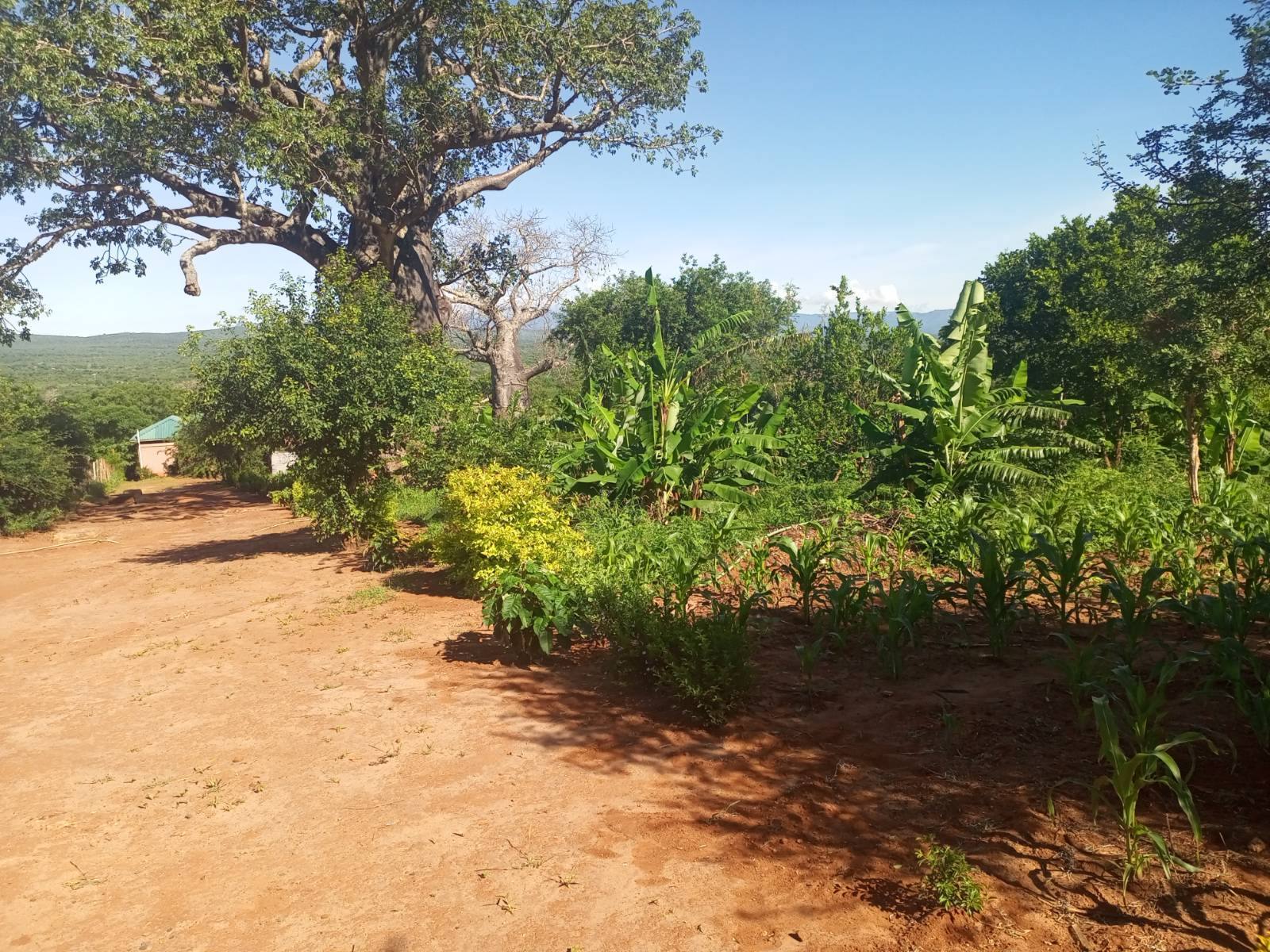
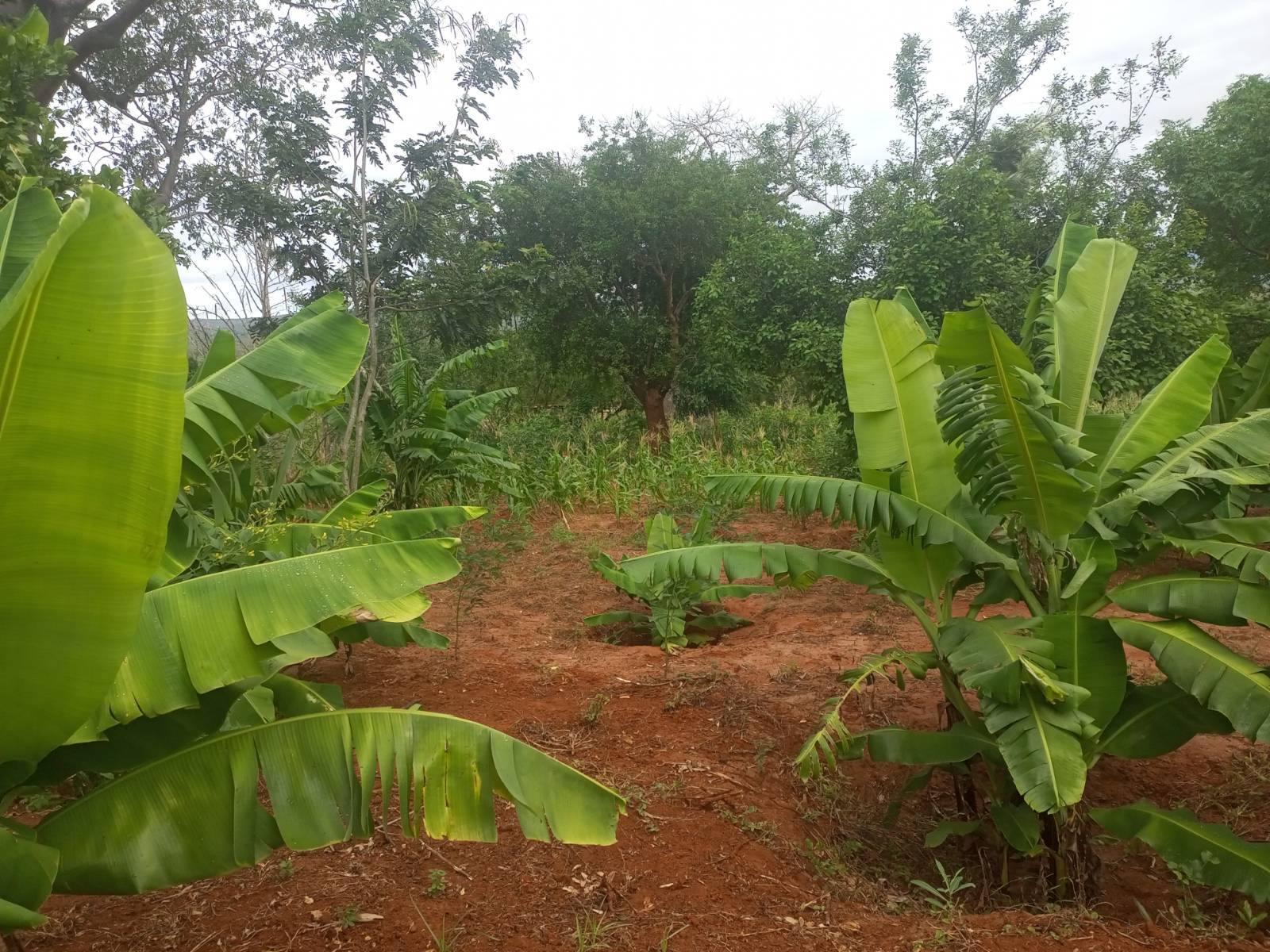
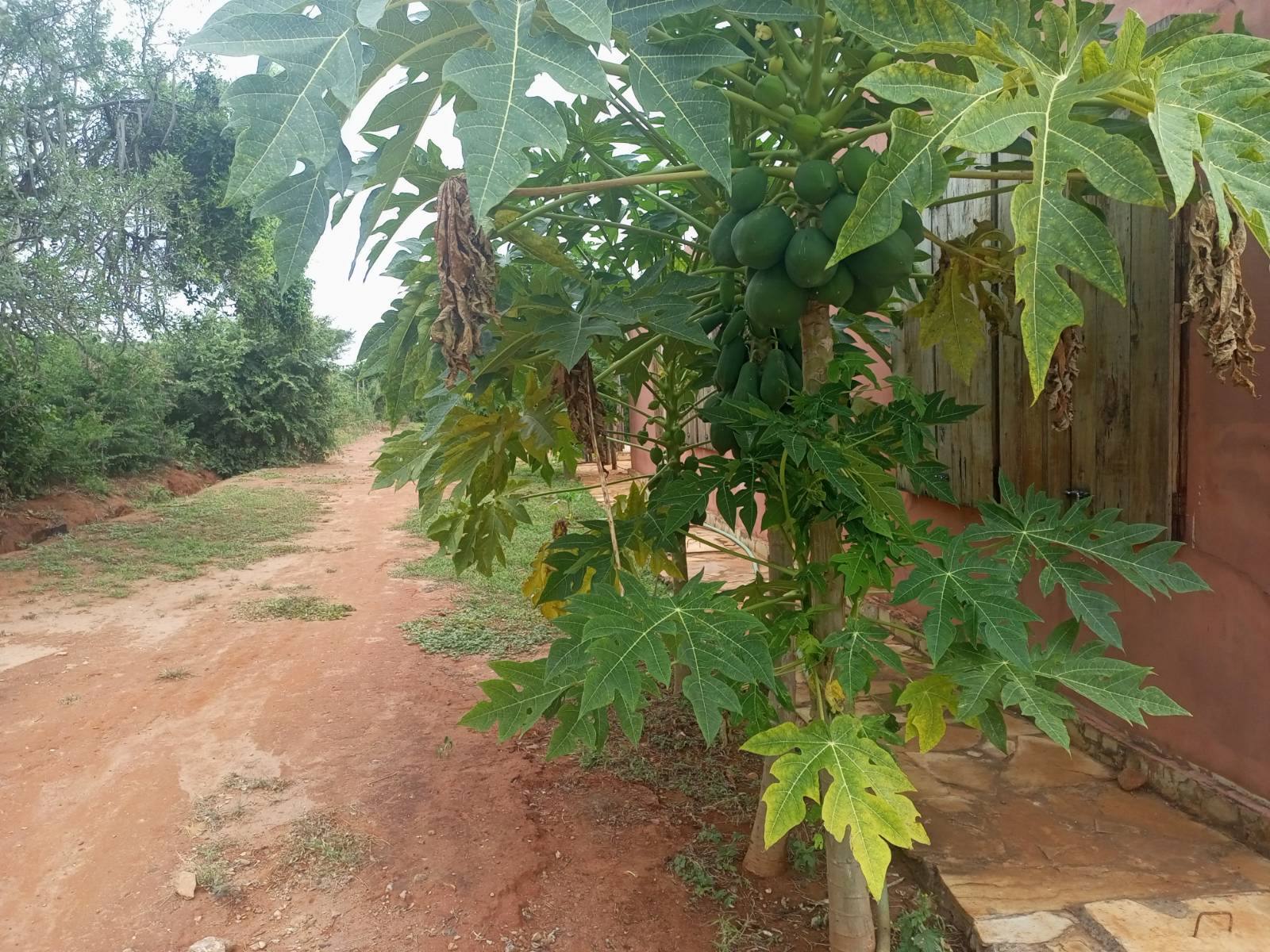
Where agronomically appropriate, cotton is combined with food crops, trees and other livelihoods. Household food needs, land rights and resilience are considered before land or labour is allocated to commercial crops.
Farmer pathway
Formal Labl Farms operations begin on 1 January 2027. An active farmer is a unique participant with a current validated profile, an approved production plan and at least one verified service, field, delivery or market interaction during the year.
Validate the farmer-service model, baselines, extension, groups, traceability and market pathways.
Replicate through approved counties with expanded field teams, aggregation and service systems.
Build multi-county capacity, stronger fibre volumes, digital operations and processing linkages.
Operate a scaled, assured network supported by viable markets, payments and processing capacity.
Every annual doubling requires funded extension and safeguarding capacity, working registration and traceability, viable offtake and processing, timely payments, and evidence that farmer service quality and net benefit are not declining.
Farmer service package
Farmers are commercial partners and local experts—not passive beneficiaries. Participation, group membership, savings and borrowing remain voluntary.
Agro-ecological screening, approved seed and inputs, demonstration, extension and crop-quality guidance.
Accessible weather, planting, production, crop-protection and harvest guidance through online and offline channels.
Recorded weights, grades, prices, custody, delivery, invoices and payment references.
Voluntary self-help groups for learning, shared tools, quality, aggregation, savings habits and peer support.
A separately governed, member-owned SACCO pathway for eligible farmers, workers and enterprises—subject to regulation and member control.
Consent, grievance access, safeguarding, inclusion, producer economics and disaggregated women/youth monitoring.
Responsible expansion
Taita Taveta and Kilifi are the initial validation counties. Further counties enter only after agronomy, demand, community readiness, logistics, finance, digital, quality and safeguard gates are met.
Replication pool: Lamu, Meru, Busia, Siaya, Homa Bay, Baringo, Kitui, Tharaka Nithi, Makueni, Kisumu, Elgeyo Marakwet, Kwale, Embu, Machakos, Bungoma, Kirinyaga, Migori, Murang’a and Tana River.