Regenerative cotton
Labl Farms-led research on soil, water, biodiversity, climate resilience, fibre quality, farm costs and net benefit.
A living laboratory
All organic and regenerative farming research is led through Labl Farms LTD. Labl Group connects that work to textiles, circularity, digital systems, education and wider institutional partnerships.
Research themes
Projects should begin with an operating, policy or community decision—not with data collection alone.
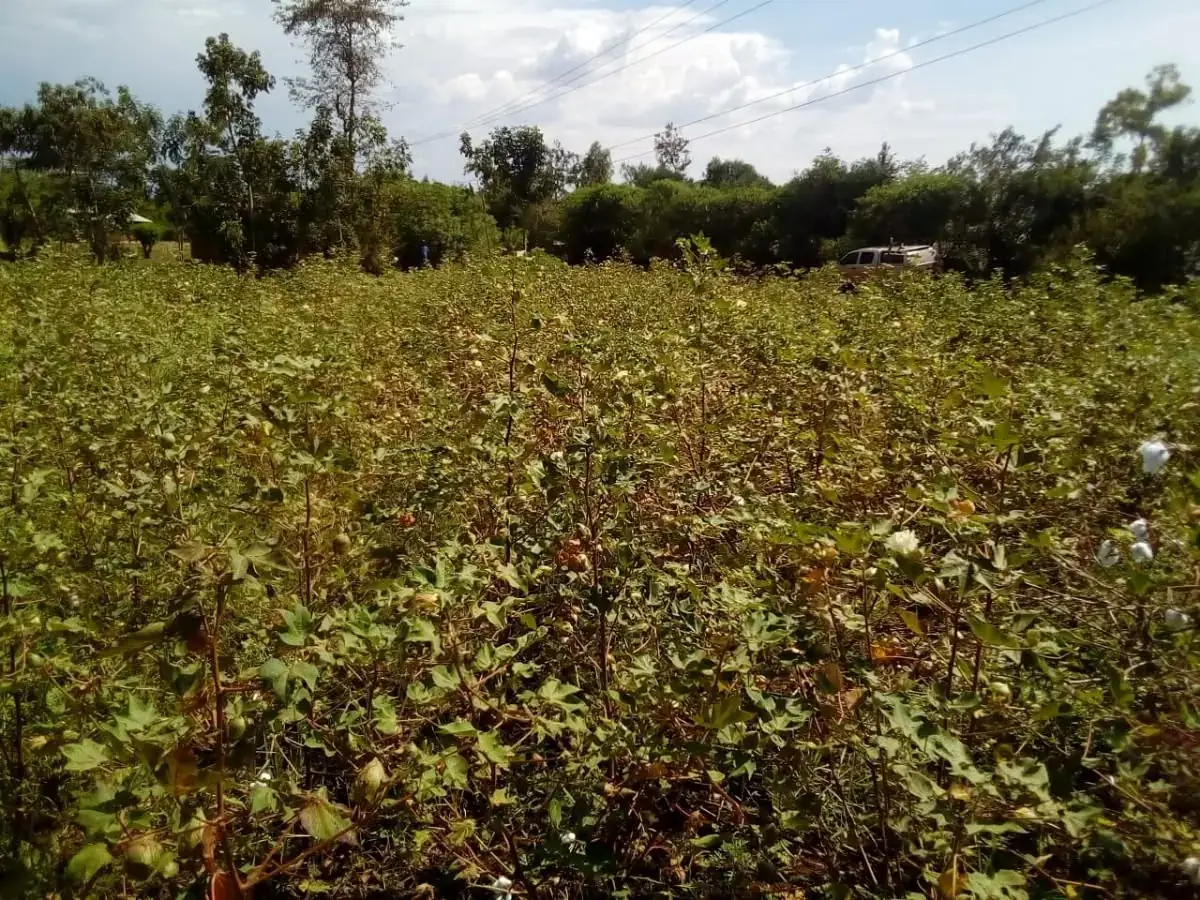
Labl Farms-led research on soil, water, biodiversity, climate resilience, fibre quality, farm costs and net benefit.
Labl Farms-led trials on crop systems, food security, local dye feedstocks, extraction and safe scalable recipes.
Taita Taveta research on farm–wildlife interfaces, corridors, crop damage, biodiversity, water and community coexistence.
Ginning, fibre grading, weaving, knitting, finishing, resource efficiency and production systems.
Durability, repair, reverse logistics, reuse, repurposing, recycling and recovered value.
Offline-first records, traceability, privacy, payments, rural usability and decision support.
How a project works
Every project is proportionate to risk and subject to written approval, available capacity and applicable ethics, safety, privacy and regulatory requirements.
Question, users, decision and benefit
Partner, budget, ethics, consent, data and IP
Methods, indicators, controls and stop rules
Field, laboratory, production or digital pilot
Analysis, limitations and community feedback
Operational change, teaching, publication or gated scale
Ways to participate
Labl seeks projects that leave stronger capability, practical tools and accessible findings—not extractive studies.
Supervised research, joint proposals, field trials, laboratories, datasets and publications—with farm research channelled through Labl Farms.
Curriculum alignment, apprenticeships, train-the-trainer, practical assessment and equipment learning.
Mandate-led extension, standards, crop and market intelligence, wildlife and ecosystem expertise, safeguards and policy learning.
Fibre, dye, water, effluent, product safety, performance and conformity testing.
Age-appropriate visits, demonstrations, citizen learning and locally useful feedback.
Material trials, circular pilots, product evidence and shared learning under agreed IP terms.
Taita Taveta contains major wildlife landscapes and community areas. Research can examine biodiversity baselines, pollinators, farm–wildlife conflict, crop protection, corridors, water sharing, nature-positive livelihoods and how regenerative production can support coexistence without shifting risk to farmers.